Must-Know Requirements for US Visas For Indian Citizens
Opening Opportunities: Essential Information on US Visas for Indian Citizens
Maneuvering the intricacies of US visa alternatives is essential for Indian people aiming to check out opportunities in the US. With various groups ranging from temporary visitor visas to pathways for permanent residency, understanding the subtleties of each can noticeably affect one's trip. This discussion will highlight vital information, including application treatments and qualification standards, that can empower individuals in their pursuit of new experiences. As we unpack these important elements, the inquiry arises: what strategies can one use to enhance their chances of an effective application?
Introduction people Visa Kind
When traversing the complicated landscape of US migration, recognizing the numerous kinds of visas readily available is vital for Indian residents seeking entrance into the US (US Visas For Indian Citizens). The US migration system is primarily categorized into two broad classifications: immigrant visas and non-immigrant visas
Immigrant visas are marked for those intending to live permanently in the US. These consist of family-sponsored and employment-based visas, where applicants commonly call for a sponsor. Non-immigrant visas, on the other hand, accommodate individuals seeking momentary house, such as visitors, organization site visitors, and those traveling for certain objectives like job or study.
Within the non-immigrant category, a number of visa kinds exist, consisting of B-1/ B-2 for organization and tourist, H-1B for specialty occupations, L-1 for intra-company transferees, and O-1 for people with remarkable capacities. Each visa has distinct qualification needs and application processes, necessitating comprehensive research study to figure out the ideal classification.
Recognizing these classifications is necessary for Indian residents, as it allows them to navigate the application procedure much more effectively, guaranteeing they select the right visa kind to satisfy their specific needs and purposes. US Visas For Indian Citizens.
Trainee Visa Options
For Indian citizens desiring research in the US, pupil visas offer a crucial path to pursue scholastic chances. The key visa classifications for students are the F-1 and M-1 visas.
The F-1 visa is assigned for scholastic students signed up in a full-time program at a certified establishment, such as universities and colleges. This visa allows trainees to take part in on-campus employment and, under particular conditions, join optional sensible training (OPT) after finishing their degree, offering beneficial work experience in their area of study.
Alternatively, the M-1 visa is intended for vocational or non-academic programs. It caters to pupils pursuing technological or employment training, allowing them to register in non-degree programs. M-1 visa holders may join useful training, but it is typically extra minimal contrasted to the F-1 category.
To obtain a trainee visa, applicants have to secure admission to a united state organization, get a Kind I-20, and show financial capacity to sustain their education and learning and living expenses. Understanding these visa choices is substantial for Indian citizens planning to begin their academic journey in the US.
Visa Categories
Numerous Indian citizens seeking employment possibility in the US may think about numerous categories tailored to various specialist demands and credentials. The most famous is the H-1B visa, made for knowledgeable employees in specialty professions requiring a greater education level or its comparable. It enables US companies to briefly use international employees, with a cap on the number of visas provided yearly.
One more important category is the L-1 visa, which facilitates the transfer of workers within international companies. The L-1A visa is for supervisors and executives, while the L-1B visa is for staff members with specialized knowledge.
The O-1 visa satisfies individuals with remarkable abilities in their area, consisting of scientific research, arts, or service. For agricultural or seasonal job, the H-2A and H-2B visas are available, allowing employers to work with international workers for short-term settings.
Family-Based Migration
Family-based migration offers a path for US citizens and lawful permanent residents to rejoin with their loved ones from India. This migration classification is basic for maintaining domestic bonds and assisting in the assimilation of relative into USn culture. US citizens can request for prompt family members, including spouses, youngsters, and parents, without facing yearly restrictions on visas. This expedited procedure substantially reduces waiting times for these close family members connections.
On the other hand, authorized irreversible residents may sponsor partners and single youngsters, yet they go through yearly caps, resulting in longer wait times. The family-sponsored migration system is split right into two major categories: instant family members and family members choice categories. The previous consists of those that have a direct connection with a united state citizen, while the latter incorporates more distant loved ones, such as brother or sisters and married children of citizens, and youngsters of authorized long-term residents.
For Indian people seeking family-based immigration, comprehending the nuances of this system is imperative. Proper documents and adherence to application protocols are essential for successful sponsorship. By navigating through these complexities, households can function towards reuniting and constructing their lives together in the US.
Long-term Residency Process
The process of acquiring long-term residency in the US entails several vital visa classifications tailored for Indian people. Comprehending the application steps, consisting of required documentation and qualification requirements, is crucial for a successful outcome. Additionally, possible applicants need to know the anticipated timeline and details needs linked with each classification.
Visa Categories Summary
While traversing the intricacies of the US immigration system, Indian people looking for irreversible residency must acquaint themselves with different visa categories customized to different scenarios. The key path for long-term residency is through employment-based visas, which are categorized right into several preferences, including EB-1 for people with phenomenal capacities, EB-2 for specialists holding advanced degrees, and EB-3 for proficient workers. Each classification has details qualification needs and handling times.
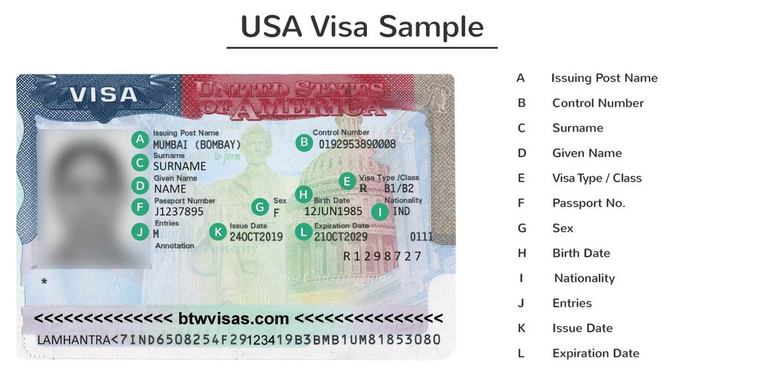
Variety visas, although restricted in number, give a chance for individuals from underrepresented nations to use for long-term residency via a lotto system. Furthermore, altruistic options such as asylum and refugee status deal pathways for those facing persecution.
Understanding these visa groups is essential for Indian citizens, as they greatly affect the technique for acquiring irreversible residency in the US. Each category's subtleties and requirements require cautious consideration to align with individual scenarios and goals.
Application Process Actions
Guiding the application procedure for long-term residency in the US includes numerous crucial steps that must be diligently followed to guarantee an effective outcome. The trip commonly starts with determining the suitable immigration classification, such as employment-based or family-sponsored visas. Applicants should gather crucial documentation, consisting of evidence of qualification, economic statements, and individual identification.
When the group is identified, the next step is to submit the Form I-130 (Request for Alien Family Member) or Form I-140 (Immigrant Application for Alien Worker), depending on the basis of the application. Following the authorization of the application, applicants will certainly require to complete the National Visa Facility (NVC) handling by submitting the needed fees and types.
Next off, the applicant has to undergo a medical assessment and obtain authorities clearance certifications. Once these are completed, a meeting will be arranged at the US consulate or embassy. It is important to prepare extensively for this meeting, as it can greatly affect the choice on the application. Upon authorization, the candidate will certainly receive their visa, providing them permanent residency in the United States.
Timeline and Needs
Charting click here the timeline and needs for obtaining permanent residency in the US is essential for Indian citizens seeking to establish a lasting presence. The procedure mostly rests on employment-based or family-sponsored paths, each with particular prerequisites and timelines.
For employment-based immigration, the process commonly starts with a labor certification, which can take several months. Once accepted, the company files a Type I-140, Immigrant Application for Alien Employee, which can take an extra 6 months to a year, depending on the handling. Complying with I-140 authorization, candidates might require to wait on their concern day to come to be existing, which can vary substantially based on the applicant's group and country of origin.
For family-sponsored migration, US citizens can seek for immediate relatives, which generally results in faster handling. Other family members classifications may include much longer wait times due to annual caps.
Application Treatments
Recognizing the application treatments for US visas is important for Indian people looking for entry into the US. US Visas For Indian Citizens. This area will certainly give an overview of numerous visa classifications and outline the detailed procedure for applying. By following these standards, applicants can browse the complexities of the visa effectively
Visa Categories Introduction
Maneuvering the numerous visa groups readily available to Indian people can be a complicated process, however it is essential for those seeking to travel, work, or research in the US. The US visa system is categorized largely right into non-immigrant and immigrant visas, each serving unique functions.
Non-immigrant visas, such as B-1/ B-2 for service and tourist, F-1 for academic study, and H-1B for specialized work, allow momentary keeps. Applicants need to demonstrate their intent to return to India after their see.
In comparison, immigrant visas, including family-sponsored and employment-based classifications, give a pathway to permanent residency. These visas usually require sponsorship from a loved one or employer in the US, along with an extensive application process.

Step-by-Step Refine
Normally, the application process for US visas involves a number of critical steps that applicants should carefully follow to ensure a smooth experience. The primary step is to establish the appropriate visa category based on the function of travel, such as work, research, or tourism. As soon as the category is recognized, applicants must finish the on the internet DS-160 type, offering precise individual details and travel information.
After submitting the DS-160, candidates must pay the visa fee, which differs by visa kind. Next, schedule a consultation for a visa interview at the nearest US Consular office or Consulate. US Visas For Indian Citizens. It is vital to plan for the meeting by gathering needed documents, consisting of a valid visa, visa confirmation, fee repayment receipt, and any type of sustaining documents specific to the visa classification
On the day of the meeting, show up promptly and outfit suitably. Throughout the interview, be prepared to respond to questions regarding your travel intents, monetary stability, and ties to India. Ultimately, if approved, the visa will be marked in the visa, enabling traveling to the US. Adhering to these steps assures a well-organized and effective application process for Indian residents.
Tips for a Successful Application
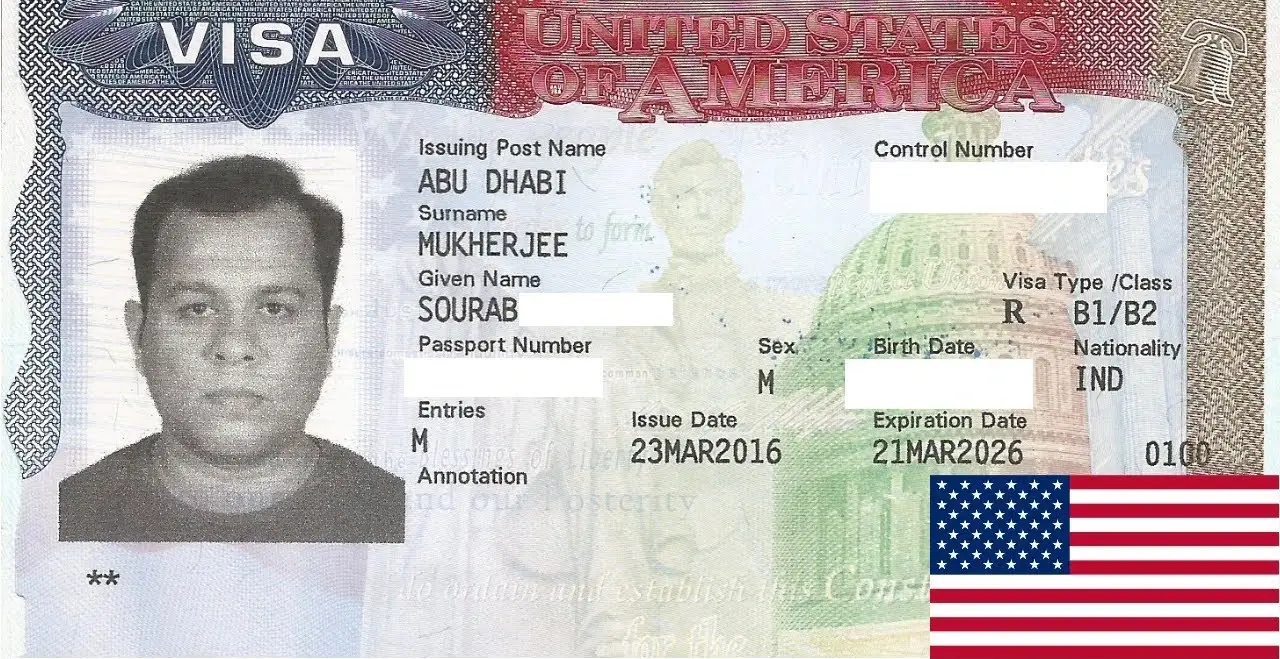
Make certain that all types are completed precisely and honestly. Tiny mistakes or noninclusions can cause hold-ups and even denials. It is advisable to collect all essential supporting records, including monetary declarations, employment letters, and evidence of connections to India, which show your intent to return post-visit.
Prepare for your visa meeting by practicing reactions to usual inquiries connected to your travel plans and background - Types Of US Visas. Confidence and quality can significantly affect the officer's impression. Consider seeking aid from respectable migration experts if you feel overloaded.
Frequently Asked Inquiries
What Are the Processing Times for US applications?
Handling times for US visa can vary significantly based upon the visa type, application volume, and the candidate's location - US Visas For Indian Citizens. Normally, applicants must anticipate a processing period varying from a few weeks to several months
Can I Adjustment My Visa Standing While in the US?
Yes, individuals can transform their visa condition while in the US, provided they meet eligibility requirements and adhere to proper treatments. It is critical to submit the appropriate application with US Citizenship and Immigration Provider (USCIS)
Exist Age Limits for US Visa Applicants?
There are generally no specific age restrictions for US visa candidates; however, specific visa categories may have age-related qualification requirements. It is essential to evaluate the needs for each visa type to guarantee compliance.
What Are Usual Reasons for Rejection?
Common factors copyright rejection consist of inadequate economic sources, failing to demonstrate ties to the home country, incomplete application forms, lack of correct documentation, previous migration infractions, and failure to fulfill qualification requirements for the details visa group.
How Can I Appeal a Visa Rejection Choice?
To appeal a visa rejection, review the consular police officer's factors, gather sustaining documents, and submit an official interest the ideal authority, guaranteeing to follow specified timelines and step-by-step needs for the allure procedure.